
Brain waves: the key to understanding the brain!


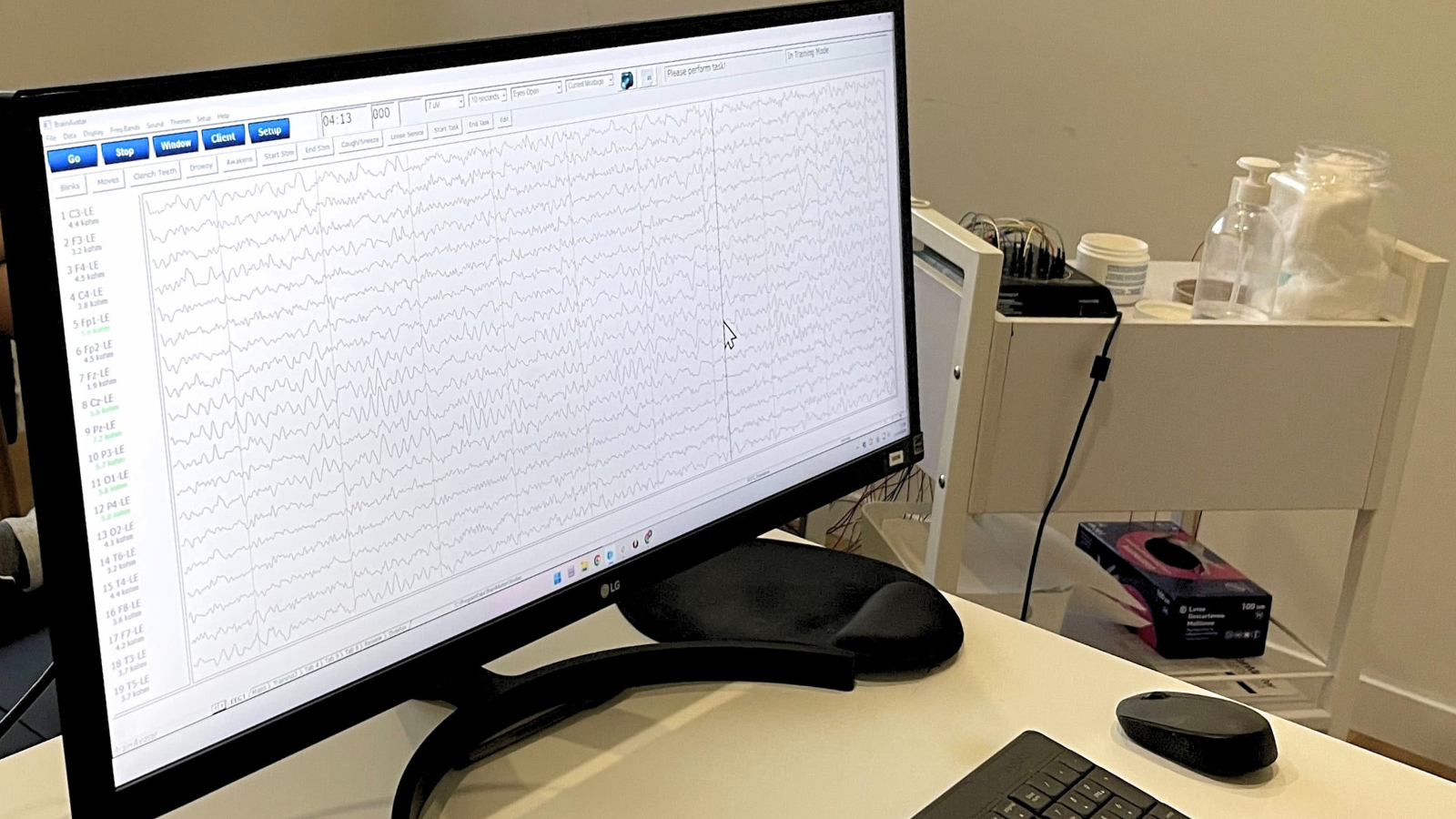
The brain is one of the most fascinating human organs, an area still holding many mysteries to be uncovered.
Today, through scientifically validated instruments and methods, it is possible to monitor brain activity, understand how the brain functions, and, when necessary, modulate that activity toward healthier patterns to provide greater balance and well-being for the individual!
Throughout this article, you will learn which types of brain waves exist, the function of each, what happens when imbalances occur, and how it is possible to "train" the brain to achieve greater performance and self-regulation capabilities.
What are brain waves?
To understand what brain waves are, it is important to grasp how they arise and why they are so significant.
They result from the activity of neurons, brain cells that communicate with each other through electrical impulses. This neuronal communication is the foundation for everything we do daily, whether it is thinking, feeling, sleeping, or moving the body.
There are millions of neurons in our brain in constant communication. They fire different impulses, resulting in electrical activity, or in other words, brain waves!
In a clinical context, five types of brain wavesare analyzed, which provide relevant information about an individual's mental state and allow for the confirmation of changes in brain activity patterns, making it possible to understand whether or not potential disorders exist.
What types of brain waves exist?
When analyzing a brainwave, two main aspects must be taken into account:
- amplitude which refers to the strength of the wave;
- frequency which corresponds to the number of cycles per second and refers to the speed of the wave (measured in Hertz (Hz)).
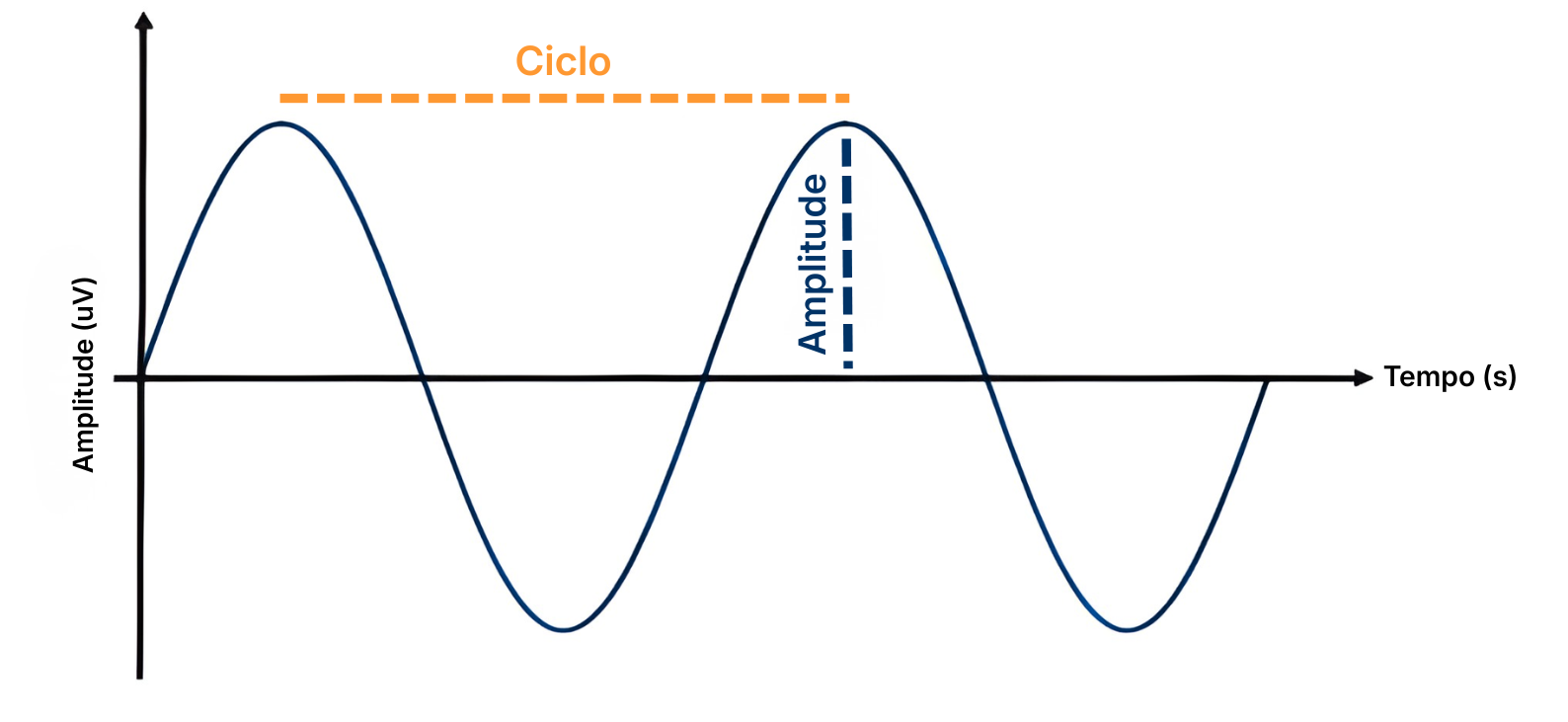
Taking these aspects into account, it is possible to divide them into two groups:
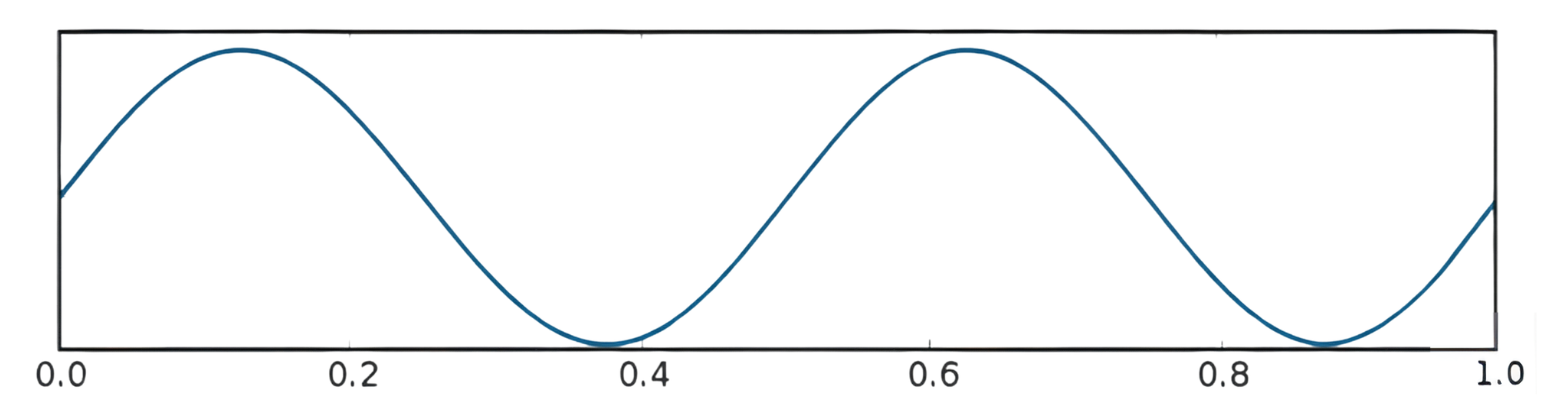
- Slow brainwaves (lower frequency and, generally, higher amplitude):
- Fast brainwaves (higher frequency and, typically, lower amplitude):
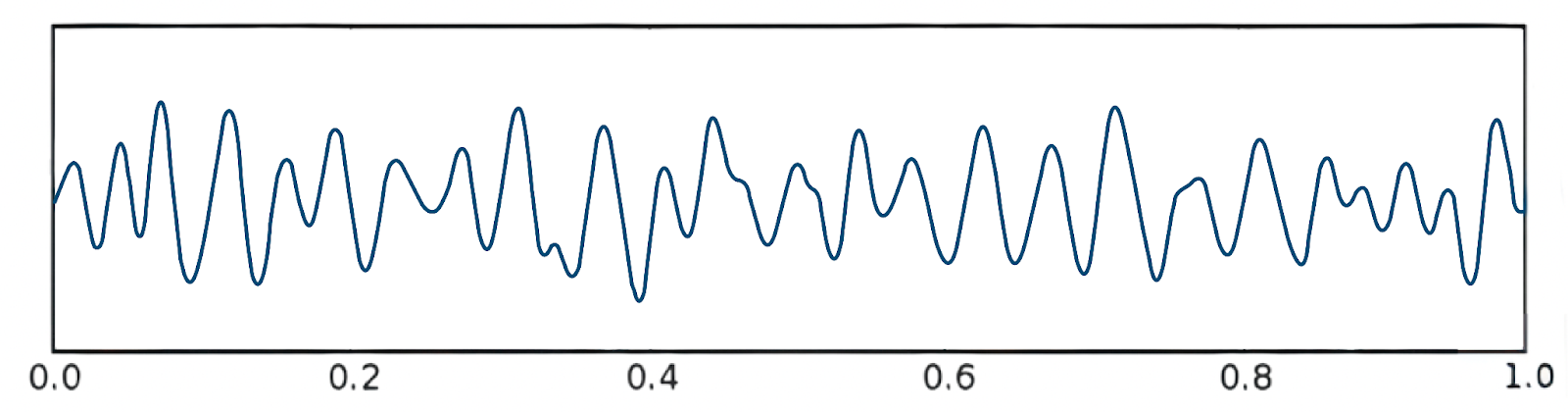
Each type of wave is associated with different functions and mental states. From moments of relaxation to moments of deep concentration or even states of alertness.
Slow brainwaves
Within slow brainwaves, we can find Delta, Theta, and Alpha wavesLet's see what they mean in practice!
Delta brainwaves
Frequency: 1 to 4 Hz.
These are associated with functions such as deep sleep and neuronal repair and regeneration.
When in balance:
- Restorative sleep occurs;
- Proper recovery of the brain and body takes place during sleep;
- A sense of calm and stable cognitive functioning.
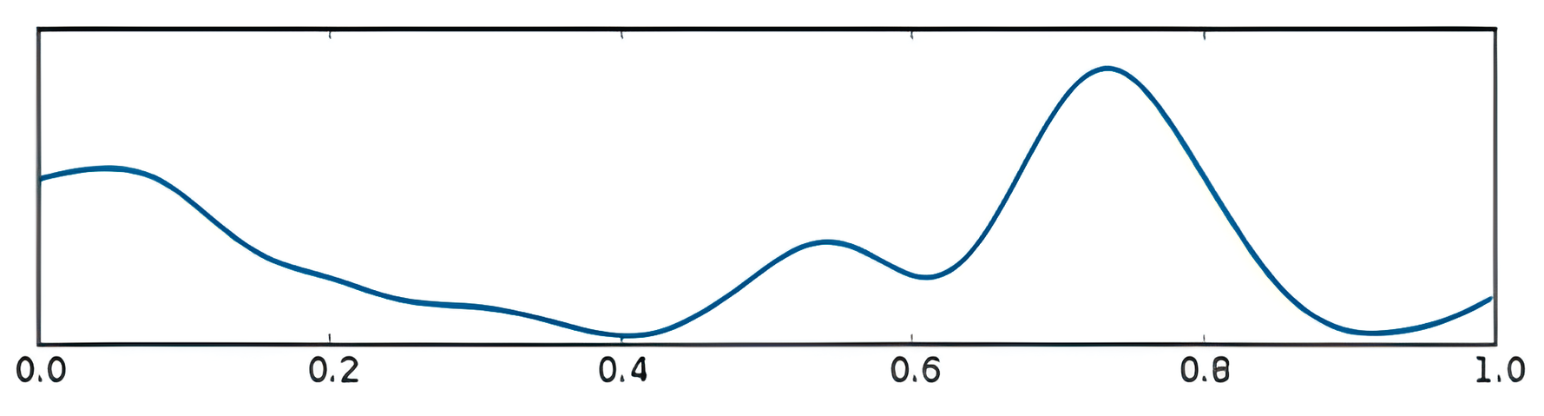
Theta brainwaves:
Frequency: 4 to 8 Hz.
Associated with functions such as creativity and imagination; drowsiness and daydreaming; internal and emotional processing; and the consolidation of memory.
When in balance:
- There is greater insight and a calm mental state;
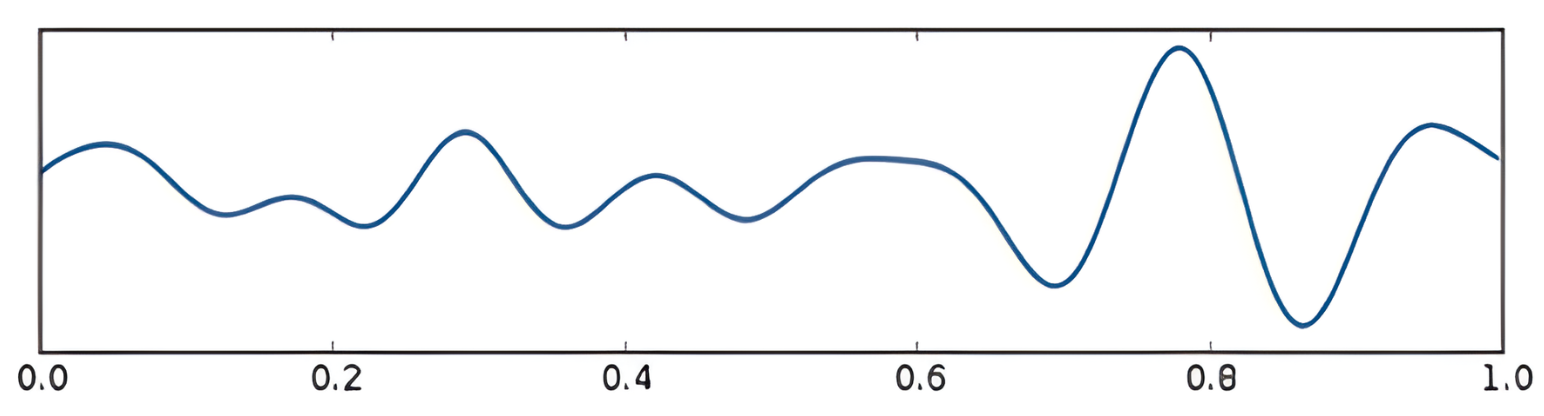
Alpha brainwaves:
Frequency: 8 to 12 Hz.
Associated with functions such as calm focus, relaxation, mind-body integration, and the transition between rest and the ability to "tune out" irrelevant stimuli.
When in balance:
- States of calm, yet alertness, are observed;
- There is a better response to stress and pressure;
- There is greater clarity of thought;
- Ability to transition smoothly between tasks.
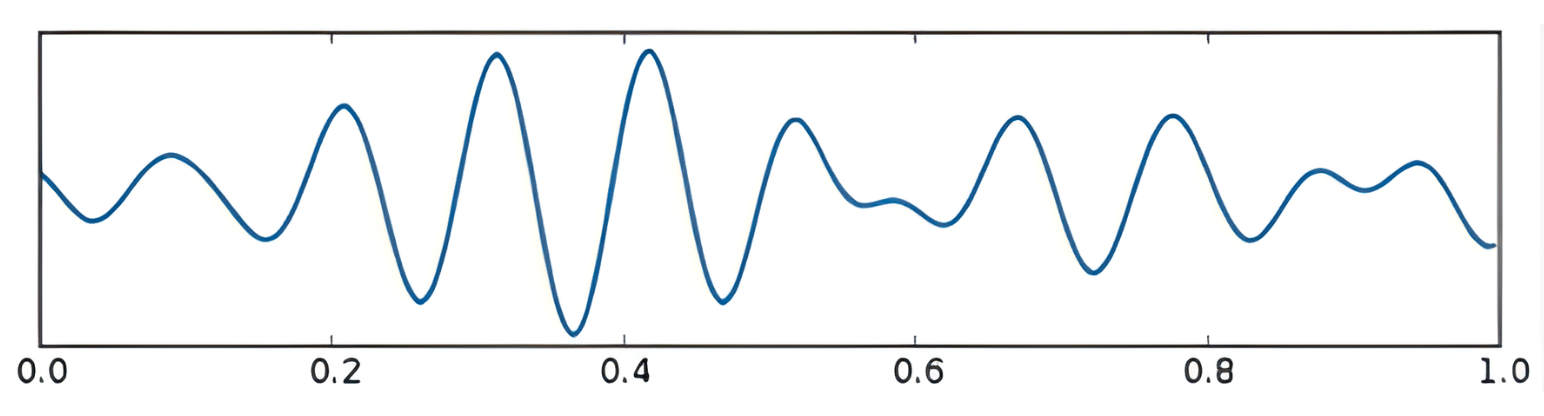
Fast brain waves
Within the fast brain waves, we find the Beta wave. This wave is responsible for different functions depending on the frequency, amplitude, and brain region. For this reason, this wave is divided into 3 subgroups: Low Beta, Beta, and High Beta.
Let's see what they mean in practice!
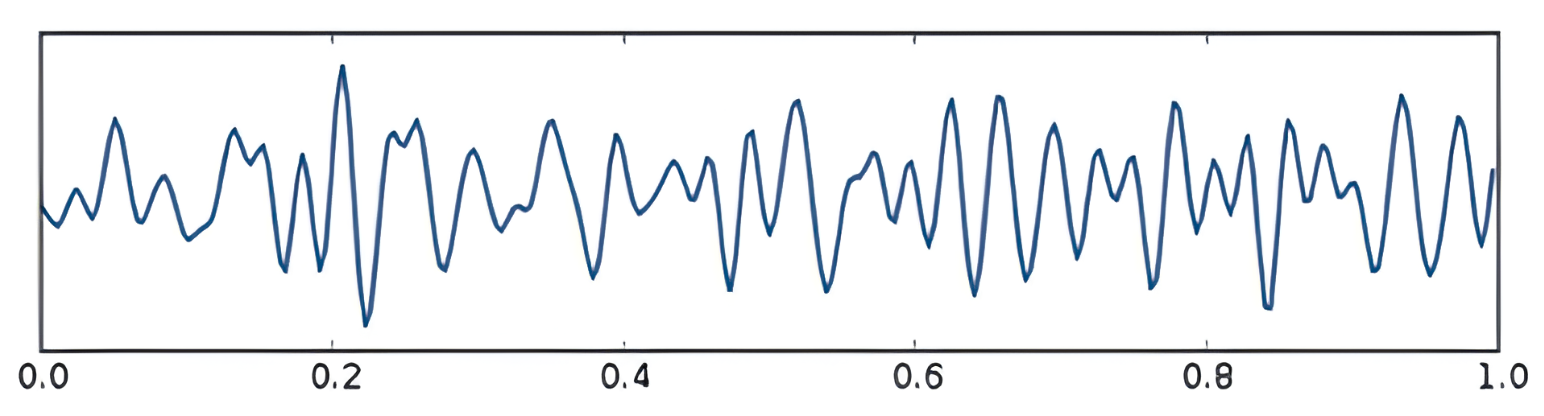
Low Beta brain waves
Frequency: 12 to 15 Hz.
Associated with functions such as calm focus; attention regulation; emotional stability; and impulse control of movement.
When in balance:
- Greater focus on task execution;
- Good motor coordination;
- Stable mood and fewer impulsive behaviors.
Beta brain waves
Frequency: 15 to 20 Hz.
Associated with functions such as vigilance/alertness; task-directed attention; and sustained attention.
When in balance:
- Good mental energy and alertness;
- Greater ability to maintain attention on cognitively demanding tasks;
- More effective decision-making and problem-solving;
- Flexible thinking, without excessive fixations.
High Beta brain waves
Frequency: 20 to 30 Hz.
Associated with functions such as high alertness, stress response, intense mental activation, cognitive effort, and problem-solving.
When in balance:
- High concentration during fast-paced tasks;
- Higher energy levels and quick thinking;
- Motivation to act or solve problems quickly;
- Good performance in highly stimulating environments
Understanding the different types of brain waves provides greater insight into how the brain functions and allows for an objective assessment of each clinical case. This is a fundamental step in applying interventions tailored to the needs of each child or adolescent.
But how can we measure and regulate brain activity patterns? It’s simple! 👇
How to promote balance in brain waves?
Throughout this article, we have seen what types of brain waves exist and how they can be reflected in our behaviors, ways of being, and mental states.
But is there a way to measure brain activity? Or even teach the brain to self-regulate? The answer is YES!
Through a qEEG (Quantitative Electroencephalogram), it is possible to measure and evaluate an individual's brain activity patterns and draw important conclusions regarding their individual difficulties and needs.
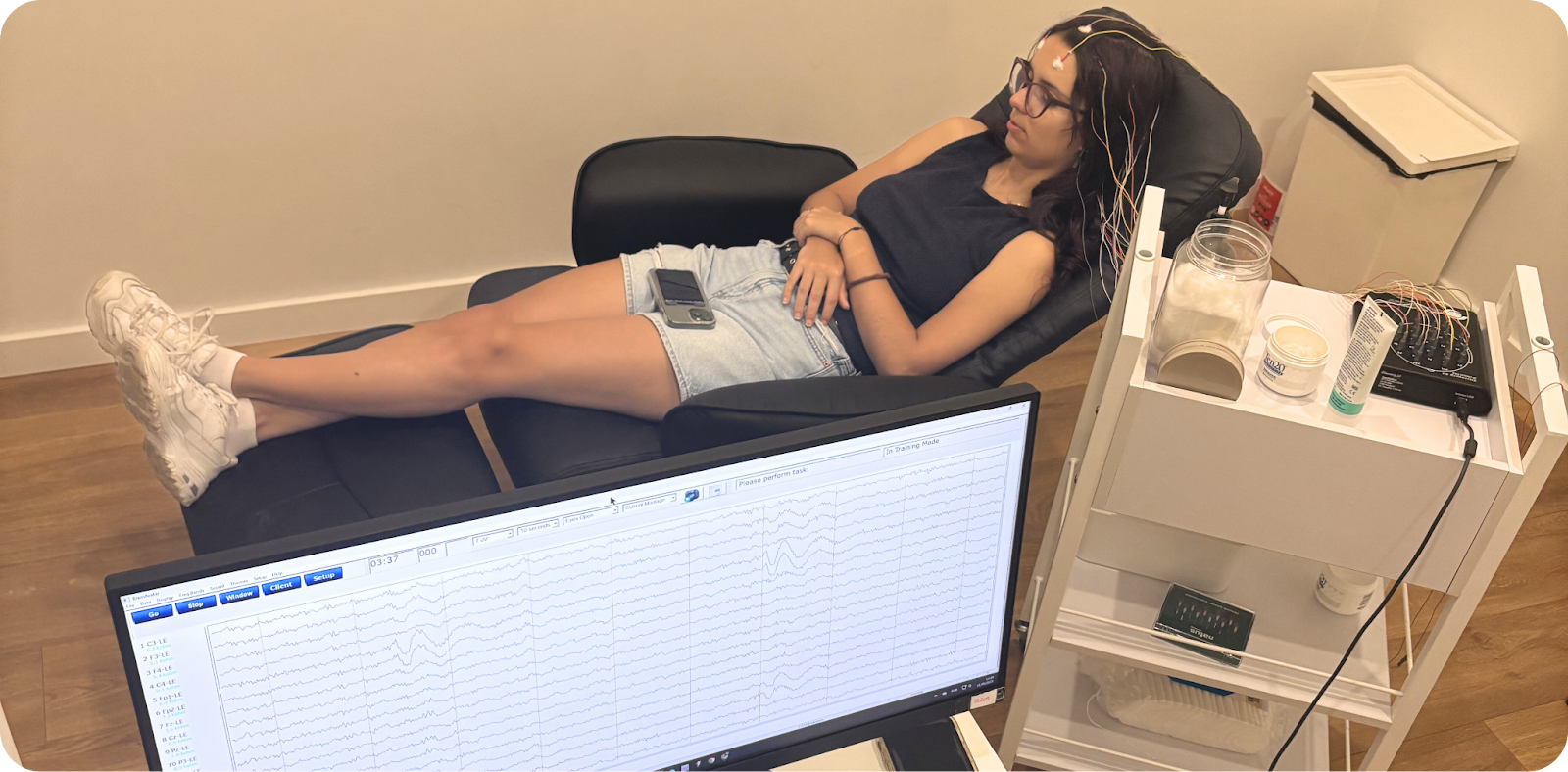
Even when barriers are present, it is possible to train the brain to gain the balance it needs. Through specialized professional guidance, we can empower and prepare the individual for daily challenges:
- Neurofeedback which allows for "adjusting" brain activity patterns and giving the brain more balance;
- The Clinical Psychology provides the necessary tools to overcome challenges in different areas of life.
This support is especially important for children and adolescents facing conditions such as anxiety or ADHD (Attention Deficit Hyperactivity Disorder). With the right support, it is possible to give every child more opportunities to flourish and feel fulfilled in the different spheres of their life—personal, social, or academic.
Final Considerations
✅ Through scientifically validated instruments and methods, it is possible to monitor brain activity, understand how the brain functions, and modulate that activity toward healthier patterns.
✅ Brain waves result from the activity of neurons, brain cells that communicate with each other through electrical impulses.
✅ In a clinical context, five types of brain wavesare analyzed, which can provide relevant information about an individual's mental state.
✅ When analyzing a brain wave, one must take into account its amplitude and frequency.
✅ Taking these aspects into account, brain waves can be divided into two groups: slow (Delta, Theta, and Alpha) and fast (Low Beta, Beta, and High Beta).
✅ Understanding the different types of brain waves provides greater insight into how the brain functions and also allows for an objective assessment of each clinical case.
✅ Through qEEG it is possible to measure and evaluate an individual's brain activity patterns and draw important conclusions regarding their specific difficulties and needs.
✅ Through specialized professional support (Neurofeedback and Clinical Psychology), it is possible to empower and prepare individuals for the challenges of daily life.
References
Bear, M., F., Connors, B., W., Paradiso, M., A. (2020). Neuroscience: Exploring the Brain, Enhanced Edition. Jones and Bartlett Publishers, Inc.
Demos, J., N. (2005). Getting Started with Neurofeedback. WW Norton & Company.
Kalat, J., W. (2023). Biological Psychology, International Edition (14th Edition). Cengage.
Related Content


We Train Brains, Strengthen Minds, Transform Lives
Schedule an appointment and see how we can help.
No time for a call now? Leave your details and we will get in touch:

Wonderful team, concerned, attentive and always available to help in everything.
With the passage of time, the results are being verified.
I am grateful to have met Neuroimprove and all its professionals.