
The Mental Health Benefits of Laughter: is laughing really good for the brain?


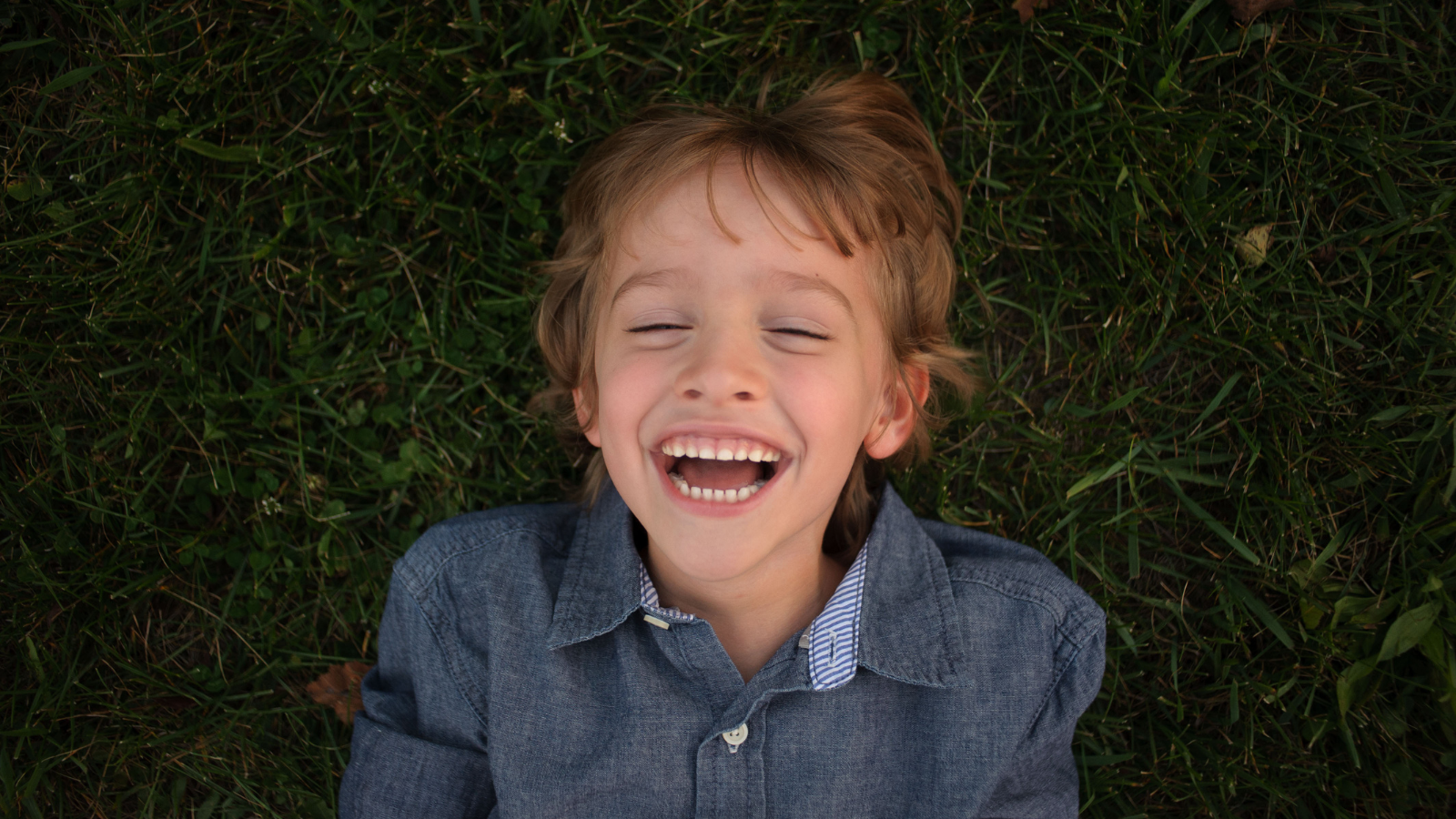
Laughter is a simple, spontaneous, and universal gesture. But laughter is much more than just an emotional reaction: it is a true ally for mental health. 😄
In this article, we will explore what laughter is, how it acts on the human body, what its benefits are for the brain and emotional health.
We are taking the opportunity of International Laughter Day, celebrated on January 18th, to share this contagious content with you! 😂
Laughter: what is it and why is it so important?
Laughter is a complex neurophysiological response that involves several areas of the brain working together.
When we laugh, regions of the limbic system are activated, such as the amygdala and the hippocampus, which are responsible for processing emotions and emotional memory; areas associated with pleasure and motivation, which contribute to a sense of well-being.
This “teamwork” allows laughter to help regulate emotions, relieve tension, and promote a calmer, more positive state of mind.
When we laugh, the brain releases neurotransmitters such as:
- Endorphins, associated with feelings of pleasure and relaxation
- Dopamine, linked to motivation and learning
- Serotonin, essential for mood stability
This chemical "cocktail" helps the brain move out of states of hyper-alertness, which is particularly relevant for children and adolescents with anxiety or hyperactivity.
Smiling and laughing: what is the difference in the human body?
Although often used as synonyms, smiling and laughing are not exactly the same thing.
😊 A smile can be voluntary and subtle, yet it still sends positive signals to the brain
😂 Laughter is generally involuntary and triggers a more intense activation of the nervous system
Both have an impact on the human body, including:
- Reduction of muscle tension
- Lowering of heart rate during states of stress
- Improvement in breathing and brain oxygenation
Even a forced smile can initiate a positive response in the brain — a phenomenon known as facial feedback.
What causes a laughing fit?
A fit of laughter happens when there is a sudden and intense release of emotion, often associated with situations of emotional relief, the breaking of accumulated tension, social connection, and unexpected humor.
In children, these fits can emerge as a form of emotional self-regulation, especially when they are not yet able to verbally express what they are feeling.
⚠️ In rare cases, frequent and out-of-context fits of laughter may be associated with specific neurological conditions, which reinforces the importance of a professional evaluation when in doubt.
Laughter and science: what do the studies say?
Science has been confirming what we already intuitively knew: laughing is truly good for mental health.
A recent systematic review analyzed 8 studies (315 participants) and demonstrated that spontaneous laughter significantly reduces levels of cortisol, the stresshormone, in the body. 😯
The authors concluded that laughter has a measurable physiological impact, acting as a true stress modulator.
In addition to cortisol, laughter also reduces the release of epinephrine (adrenaline) - a key hormone in the fight-or-flight response - contributing to a decrease in alertness and tension.
This effect is particularly relevant for people — including children and adolescents — who live in a constant state of high alert, as often happens with anxiety and hyperactivity.
Other leading institutions reinforce that laughing can:
- Strengthen the immune system
- Improve cardiovascular health
- Contribute to better emotional regulation
In other words: laughing with your family isn't a waste of time — it's an investment in your health ❤️
Final thoughts: laughter is also a form of mental health care
Laughter doesn't solve every problem, but it helps the brain cope with them more effectively.
In an increasingly fast-paced world, where many children and teenagers feel emotionally overwhelmed, laughter is simple, free, and deeply therapeutic.
At NeuroImprove Clinic, we believe that mental health is about understanding the brain, but also about humanizing care. And laughter is one of the most natural ways to do that. 😊
If you feel that your child is constantly living in a state of tension, anxiety, or restlessness, seeking specialized support can make all the difference. Get in touch with us!
Now that you've finished this interesting read, we invite you to have a 🤣 good laugh 🤣 to celebrate Laughter Day and, consequently, improve your health!
References
Bahniwal, R., Brazile, T., Miller, M. (2025). Prioritizing Health | It’s Good to Feel Good: Joy, Connection and CV Health. Cardiology Magazine. American College of Cardiology. https://www.acc.org/Latest-in-Cardiology/Articles/2025/08/01/01/Prioritizing-Health-Its-Good-to-Feel-Good
Kramer, C. K., & Leitao, C. B. (2023). Laughter as medicine: A systematic review and meta-analysis of interventional studies evaluating the impact of spontaneous laughter on cortisol levels. PloS one, 18(5), e0286260. https://doi.org/10.1371/journal.pone.0286260
Mayo Clinic Staff (2023). Stress relief from laughter? It’s no joke. Mayo Clinic. https://www.mayoclinic.org/healthy-lifestyle/stress-management/in-depth/stress-relief/art-20044456
Nummenmaa, L., Malèn, T., Nazari-Farsani, S., Seppälä, K., Sun, L., Santavirta, S., Karlsson, H. K., Hudson, M., Hirvonen, J., Sams, M., Scott, S., Putkinen, V. (2023). Decoding brain basis of laughter and crying in natural scenes. NeuroImage, 273, 120082. https://doi.org/10.1016/j.neuroimage.2023.120082
Villines, Z. (2023). What to know about inappropriate laughter. MedicalNewsToday. https://www.medicalnewstoday.com/articles/inappropriate-laughter
Related Content


We Train Brains, Strengthen Minds, Transform Lives
Schedule an appointment and see how we can help.
No time for a call now? Leave your details and we will get in touch:

Wonderful team, concerned, attentive and always available to help in everything.
With the passage of time, the results are being verified.
I am grateful to have met Neuroimprove and all its professionals.