
Is shyness a shield or an enemy?


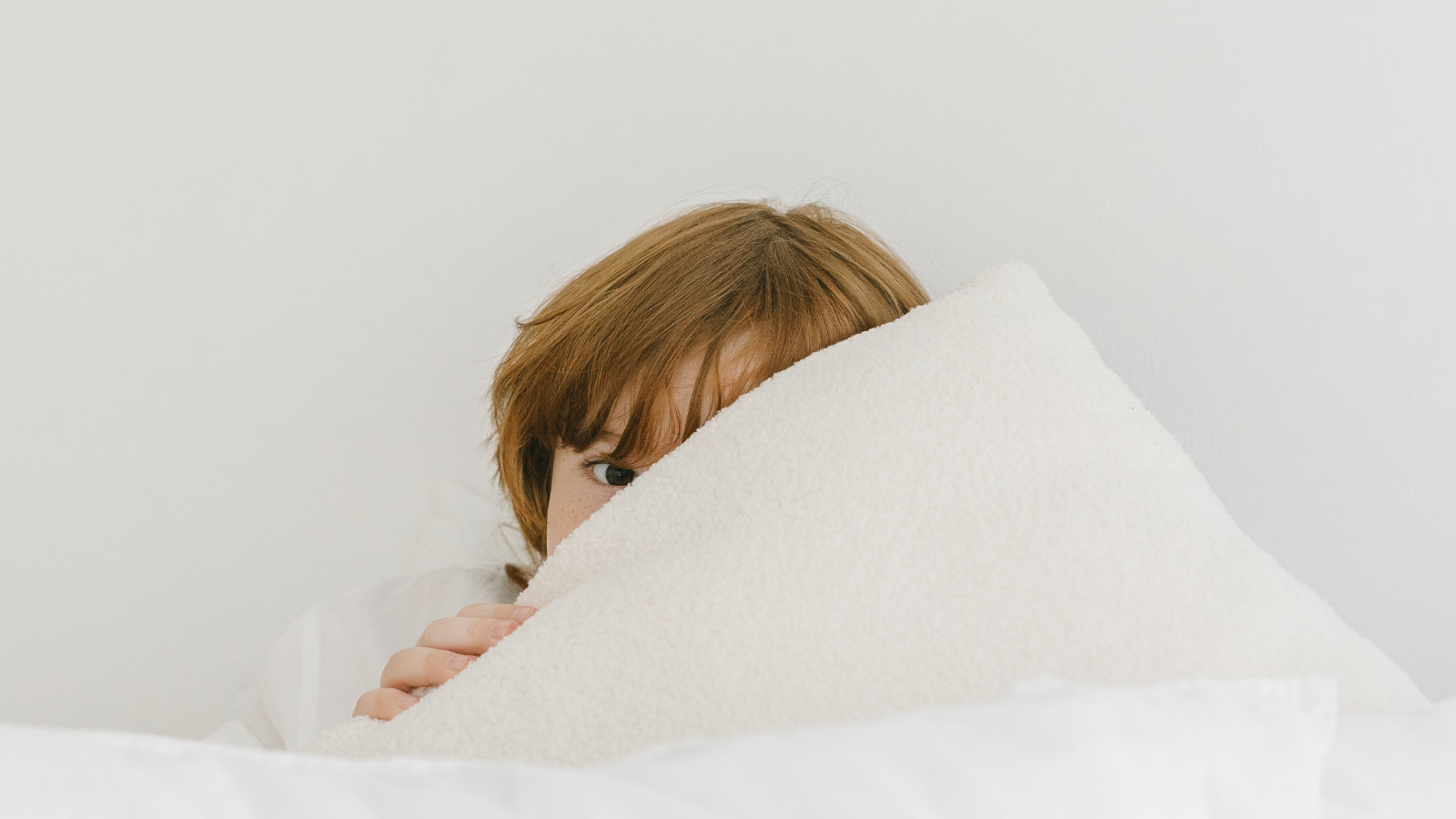
Have you ever felt anxious about speaking to a group of people or held back your point of view in a conversation for fear of being judged? 🫣
Shyness has both a positive and a negative side. It can often act as a shield, protecting us from undesirable situations, but it can also be our greatest enemy.
Let's take a look:
- From a positive perspective, it can help you weigh your responses, allow for active listening, and help you observe your surroundings more closely.
- From a negativeperspective, however, it can be a barrier to communication and to opportunities in your personal, academic, and professional life.
Furthermore, shy people often find it harder to form bonds with others and, consequently, to build friendships.
When shyness becomes a problem
Shyness is not only present in adults, but also in children and adolescents.
In fact, shy children in a school setting tend to participate less, struggle to adapt, achieve lower academic results, face challenges in language development, and have difficulty relating to their peers—leading to situations of exclusion by others or self-imposed isolation.
At first glance, it may seem harmless or just "a phase." However, when excessive, shyness manifests as a fear and embarrassment intense, potentially persisting over time and seriously affecting relationships, development, academic success, and well-being. 💔
Therefore, it is essential to instill ways to reduce this shyness and boost the confidence of young people.
Exercises to overcome shyness
There are simple exercises and practices that can help children and teenagers deal with their fears and anxieties, and consequently, reduce their shyness:
- Gradually encourage social interactions
Encourage small interactions, even if it’s just a simple "Hello." However, it is important to avoid any kind of pressure.
- Practice speaking with family members
Simulating small interactions at home can help the child prepare for certain situations, feel more confident, and have fewer fears.
- Maintain positive reinforcement
Praise even small achievements to boost the child's confidence. In a classroom setting, this is particularly important to keep the child motivated and engaged.
- Create safe and encouraging environments
Interacting with large groups can be daunting. Therefore, creating dynamics with smaller groups and assigning small tasks that encourage the shy child to communicate can help them overcome the fear of being judged.
- Learn to control anxiety symptoms
Anxiety can be shyness's greatest ally. Thus, teaching small breathing techniques can help reduce anxiety symptoms and provide the necessary boost for interaction.
- Show availability
As a teacher or family member, it is important for the child to know that there is a safe space at school and at home to talk about their feelings and fears.
- Encourage communication in the classroom
Teachers can encourage students to participate through small cues (hints, taps on the shoulder, etc.). Furthermore, they can even allow them to participate with the help of peers or to answer questions that the student has prepared in advance.
- Establish rules
It is important to establish rules and boundaries with your students from the beginning of the school year. It is essential to communicate classroom and playground behavior standards, emphasizing that every student must be respected and that all feelings and responses are valid.
- Create an appropriate classroom layout
The classroom layout is important; for shyer students, sitting next to a friend or someone they feel comfortable with can help reduce their shyness.
What is shyness and how does it relate to social phobia?
🔍 Official sources define shyness as the presence of anxiety and inhibition in social situations. As such, it acts almost as a blocking agent when it comes to exposure and contact with other people.
That said, it is normal for different people to experience symptoms at varying intensities when exposed to situations that trigger this fear, anxiety, and inhibition.
The Taxonomy of shyness, a concept developed by Rubin & Coplan, divides the origin of fear into four categories:
- Behavioral inhibition: fear or apprehension in unfamiliar situations outside one's comfort zone.
- Anxious solitude: a desire to interact that is blocked by the presence of anxiety.
- Shyness: fear of new social interactions and/or of being evaluated by others.
- Social Reticence: fear and hesitation in communicating with others, limiting oneself to observation only
It is important to understand that: for many, shyness is a difficult reality to deal with that can bring countless daily challenges, as individuals end up not doing or saying what they want due to excessive embarrassment. Such as:
👉 Avoiding social gatherings, even with friends.
👉 Avoiding parties, cafes, and restaurants due to anxiety about starting a conversation.
👉 Knowing the answer to something but remaining silent for fear of being judged.
👉 Being afraid to ask for help for fear of being a bother (including to teachers, assistants, caregivers, or even bosses, in the case of adults).
👉 Avoiding asking for guidance in shops to find what you need.
👉 Avoiding sharing your opinion for fear of bothering others or hurting their feelings.
This extreme shyness makes individuals more predisposed to developing social phobia (or Social Anxiety Disorder).
Causes of shyness
- Excessive criticism throughout development, which creates self-doubt and a fear of making mistakes.
- Situations of bullying which, beyond deep emotional scars, create insecurities and a fear of social exposure.
- Overprotection or excessive parental control, which limits the development of social skills.
- Fear of being judged, which causes a dread of criticism and rejection, limiting the expression of feelings and opinions.
- Low self-esteem which is reflected in thoughts like “I’m not capable” or “I’m worthless.”
- Limiting beliefs such as “no one will be interested in what I have to say.”
- Negative experiences such as being humiliated in front of others, create a defense mechanism and cause the person to avoid contact or conversations in the future.
Symptoms of shyness
- Increased heart rate
- Rapid breathing
- Blushing (i.e., turning red in the face)
- Butterflies in the stomach
- Feeling blocked (or freeze mode)
- Tremors
- Fatigue
- Tunnel vision and hearing
- Sweating
- Dry mouth
- Excessive worry about being negatively evaluated by others
- Avoiding eye contact
How to overcome shyness?
💡 Beyond active support from parents and teachers, professional help is essential to help cope with the excessive shame and fears associated with shyness.
Cognitive Behavioral Therapy is a branch of Clinical Psychologythat has proven highly effective in reducing shyness and/or treating Social Phobia.
This intervention allows for the analysis and understanding of the relationship between thoughts, emotions, and behaviors, helping to create healthier and more adaptive responses. 🧠
With the insight and guidance of a professional, the child will have the opportunity to develop strategies to feel more balanced, strengthen their communication skills, and build relationships with peers, paving the way for more positive and confident social experiences. 🧡
Final Thoughts
✅ Shyness can act as a shield, protecting us from unwanted situations, but it can also be our greatest enemy, blocking opportunities.
✅ Shyness is not just present in adults; it also affects children and adolescents.
✅ Excessive fear and embarrassment can seriously impact relationships, development, academic success, and well-being, potentially evolving into more serious conditions like Social Anxiety Disorder (or social phobia).
✅ For many, shyness is a difficult reality to deal with that can bring numerous daily challenges.
✅ There can be various causes for shyness, ranging from traumatic experiences to excessive criticism.
✅ The symptoms of shyness can be felt in different ways and at different intensities, varying from person to person.
✅ There are methods and strategies that can be applied at home and in school settings to reduce shyness and boost confidence.
References
American Psychological Association. (2018). Shyness. https://dictionary.apa.org/shyness
Chęć, Magdalena. (2019). Contemporary views on shyness – a literature review. Archives of Psychiatry and Psychotherapy. 21. 77-84. https://doi.org/10.12740/APP/109628
Cordier, R., Speyer, R., Mahoney, N., Arnesen, A., Mjelve, L., & Nyborg, G. (2021). Effects of interventions for social anxiety and shyness in school-aged children: A systematic review and meta-analysis. PLoS ONE, 16. https://doi.org/10.1371/journal.pone.0254117.
Craske, M., Niles, A., Burklund, L., Wolitzky-Taylor, K., Vilardaga, J., Arch, J., Saxbe, D., & Lieberman, M. (2014). Randomized controlled trial of cognitive behavioral therapy and acceptance and commitment therapy for social phobia: outcomes and moderators.. Journal of consulting and clinical psychology, 82 6, 1034-48 . https://doi.org/10.1037/a0037212.
Nyborg, G., Mjelve, L., Crozier, R., Arnesen, A., Coplan, R., & Edwards, A. (2023). Teachers’ Strategies for Helping Shy Students: Findings from a National Survey in Norway. Scandinavian Journal of Educational Research, 68, 1011 - 1024. https://doi.org/10.1080/00313831.2023.2196534.
Related Content


We Train Brains, Strengthen Minds, Transform Lives
Schedule an appointment and see how we can help.
No time for a call now? Leave your details and we will get in touch:

Wonderful team, concerned, attentive and always available to help in everything.
With the passage of time, the results are being verified.
I am grateful to have met Neuroimprove and all its professionals.