
What phobias exist? Discover the 20 most common ones!


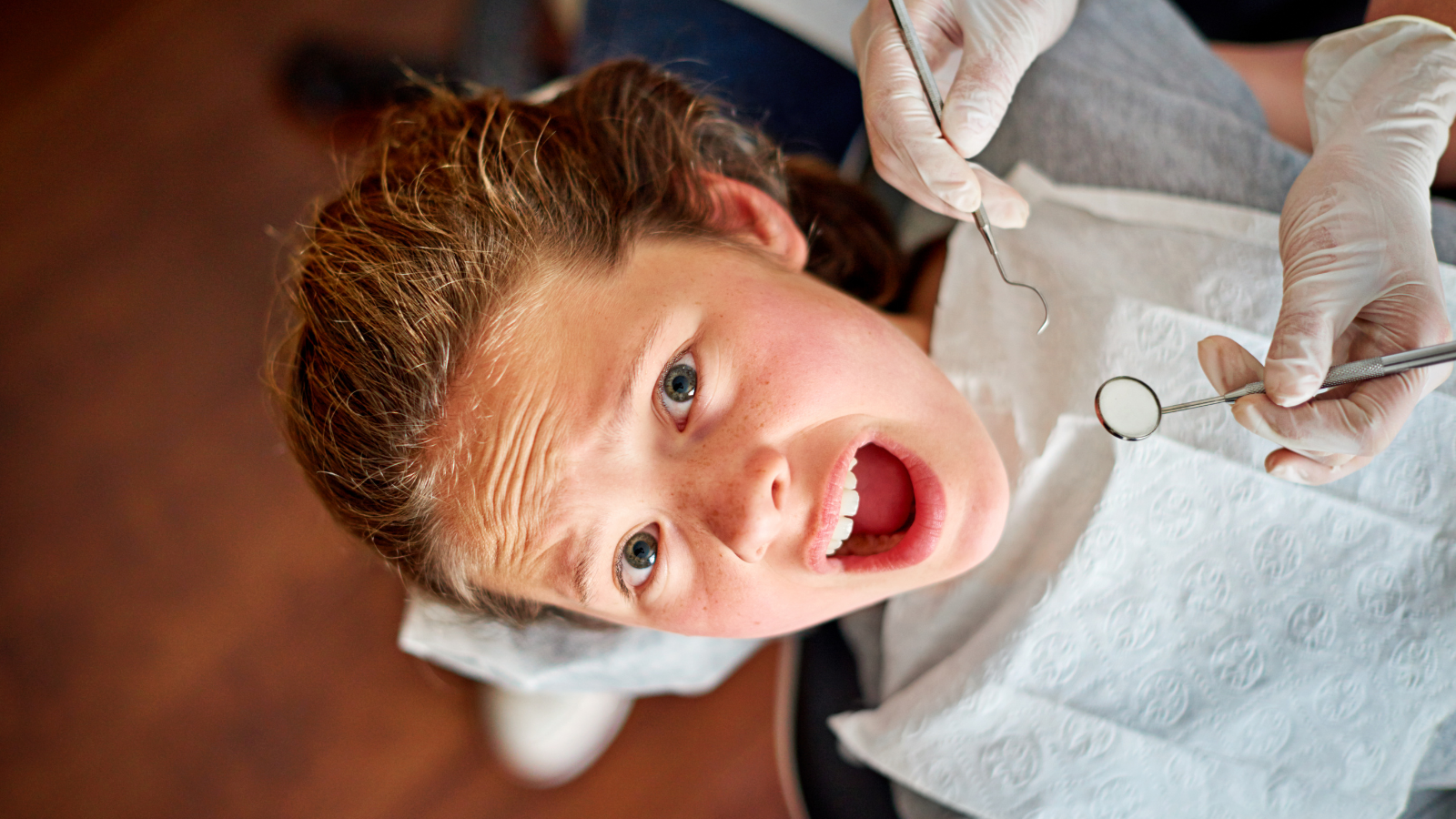
Have you ever felt butterflies in your stomach (or broken into a sweat) when climbing to a great height, seeing a certain insect, or even being in a space that is too tight? 😰
We have all felt afraid of something, and in truth, it is a natural human feeling. However, when a specific fear limits us or has the power to overwhelm our mind and body, it is a sign that we may be dealing with a phobia. 😵🫣
There are several types of phobias. These are considered a fear or anxiety regarding a specific object or situation.
Usually, the fear a person feels is disproportionate to the danger that the object or situation actually represents, and therefore, it is often irrational.
20 most common phobias (in children and adults)
Throughout our journey, fears can take on new dimensions and intensities. There are even studies suggesting that phobias often emerge during childhood and can persist for years (or decades), typically peaking in adulthood.
Most common phobias in adults (the most searched in Portugal)
- Agoraphobia: affects about 4% of the Portuguese population and consists of the fear of being in open spaces, crowds, or contexts where it would be difficult to leave in the event of conflict or panic.
- Acrophobia: fear of heights
- Claustrophobia: fear of enclosed spaces
- Trypophobia: aversion to patterns of small holes or bumps
- Arachnophobia: fear of spiders
- Aichmophobia: fear of needles and/or sharp objects
- Hematophobia: fear of blood
- Aerophobia: fear of flying (airplanes, helicopters, etc.)
- Mysophobia: fear of germs, dirt, and/or contamination
- Entomophobia: fear of insects
Most common phobias in children
- Nyctophobia: fear of the dark
- Zoophobia: fear of animals
- Coulrophobia: fear of clowns
- Astraphobia: fear of storms (thunder and/or lightning)
- Iatrophobia: fear of going to the doctor
- Odontophobia: fear of going to the dentist
- Monophobia: fear of being alone
- Spectrophobia: fear of ghosts
- Aquaphobia: fear of water
- Apiphobia: fear of bees
To many, these may seem like strange phobias, but they are actually phobias that exist (quite frequently, in fact) and it is essential that they be understood and respected. Every fear deserves proper attention, and there are professionals qualified to help combat the symptoms these conditions trigger and to manage that fear, or fears, in a more controlled and healthy way.
Why do we have phobias? Causes and symptoms
There are temperamental factors (such as a predisposition to negative emotions), environmental factors (such as overprotective parenting), and genetic and psychological factors (such as having a close relative who already has a phobia) that are associated with the development of phobias.
These fears are also mostly developed during childhood or adolescence and often arise after traumatic events (whether experienced firsthand or witnessed).
According to studies and official data, phobias can manifest in different ways.
👩 In the case of adults, it is common to experience:
- Severe fear or anxiety
- Panic attacks
- The need to avoid the object or situation
- Racing heart
- Tense muscles
- Rapid breathing
- Sweating
- Trembling
👧 In children, symptoms include:
- Crying
- Tantrums
- Freezing
- Clinginess
Furthermore, it is very common for phobias to coexist with other disorders such as anxiety, depression and eating disorders.
How to overcome a phobia?
For the treatment of one or more phobias, the most effective approach is, as expected, specialized professional intervention focusing on:
1️⃣ Psychotherapy
2️⃣ Medication
When it comes to psychotherapy, the method used is exposure therapy which consists of gradually introducing the individual to the stimuli that trigger the fear associated with the phobia.
In this way, with the help and guidance of a psychology professional, the individual is able to gradually face their symptoms (and the phobia itself), gaining better awareness and resilience in the face of this issue.
Final Considerations:
✅ The DSM-5 defines a phobia as a fear or anxiety regarding a specific object or situation.
✅ In phobias, the fear is usually disproportionate to the actual danger posed by the object or situation, and is therefore often irrational.
✅ Throughout our journey, fears can take on new dimensions and intensities , with phobias often emerging during childhood and adolescence.
✅ There are temperamental, environmental, genetic, and psychological factors associated with the development of phobias. However, they can also arise after experiencing traumatic events.
✅ It is very common for phobias to coexist with other disorders such as: anxiety, depression, and eating disorders.
✅ For the treatment of one (or more) phobias, specialized medical intervention through Psychotherapy is highlighted. or the use of medication.
References:
American Psychiatric Association. (2013). Diagnostic and statistical manual of mental disorders (5th ed.). American Psychiatric Publishing. https://www.cruzvermelha.pt/images/pdf/DSM-5.pdf
Eaton, W. W., Bienvenu, O. J., & Miloyan, B. (2018). Specific phobias. The lancet. Psychiatry, 5(8), 678–686. https://doi.org/10.1016/S2215-0366(18)30169-X
Kuang, N. (2023). Specific Phobia Disorder and Its Implications. Lecture Notes in Education Psychology and Public Media. https://doi.org/10.54254/2753-7048/7/2022901.
Wardenaar, K. J., Lim, C. C. W., Al-Hamzawi, A. O., Alonso, J., Andrade, L. H., Benjet, C., Bunting, B., de Girolamo, G., Demyttenaere, K., Florescu, S. E., Gureje, O., Hisateru, T., Hu, C., Huang, Y., Karam, E., Kiejna, A., Lepine, J. P., Navarro-Mateu, F., Oakley Browne, M., Piazza, M., … de Jonge, P. (2017). The cross-national epidemiology of specific phobia in the World Mental Health Surveys. Psychological medicine, 47(10), 1744–1760. https://doi.org/10.1017/S0033291717000174
Related Content


O cérebro fala.
Nós ouvimos.
Schedule an appointment and see how we can help.
No time for a call now? Leave your details and we will get in touch:

Wonderful team, concerned, attentive and always available to help in everything.
With the passage of time, the results are being verified.
I am grateful to have met Neuroimprove and all its professionals.