
How does food influence hyperactivity?


.avif)
Did you know that the way we eat can directly affect behavior, especially in cases of hyperactivity?
A Attention Deficit Hyperactivity Disorder(PHDA or ADHD) is much discussed, but we don't always realize that certain foods can worsen or improve symptoms.
These measures, however, are not exclusive to those with PHDA. Adopting a more balanced and natural diet can benefit anyone, helping to keep energy stable and promote more balanced behavior.
After all, if even adults without this disorder can feel more agitated when consuming stimulants, imagine the impact these same foods can have on hyperactive children!
Let's then explore how some simple food choices can help ⬇️
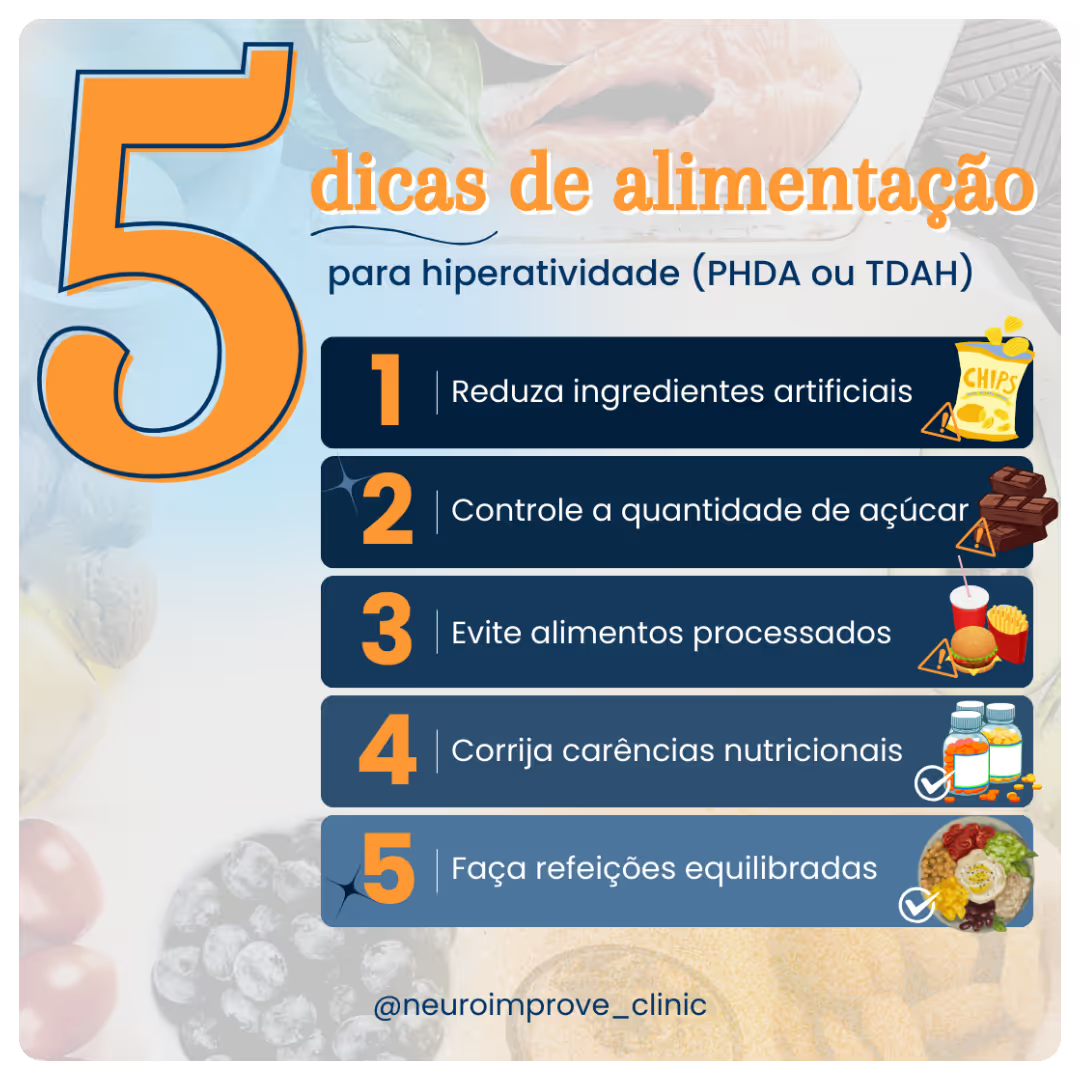
So, let's detail each of them...
Avoid artificial ingredients
One of the first things you can do is reduce or even eliminate foods with artificial colors and preservatives.
These ingredients are present in snacks industrialized, colored morning cereals and jellies, and studies show that they may aggravate symptoms of hyperactivity in some children. 🚫
Try opting for more natural foods, such as fresh fruits, vegetables or natural yogurt, and see if there is a difference in behavior.
Control the amount of sugar
There's a lot of debate about whether sugar actually causes hyperactivity, but we know that large amounts can cause energy spikes, which can leave kids even more agitated. ⚡
Try to limit the consumption of soft drinks, stuffed cookies and chocolates— mainly at night — and prefer foods such as whole fruits or snacks of vegetables to avoid these oscillations.
Avoid processed foods
Ready meals,fast food and industrialized snacks They tend to be rich in additives and hidden sugars.
These foods can worsen symptoms of hyperactivity.
A good practice is to opt for home-cooked meals, with fresh ingredients, which helps keep the energy stable throughout the day and favors a calmer behavior. 😌
Correct nutritional deficiencies
Often, agitation and difficulty concentratingmay be aggravated by a lack of essential nutrients.
Nutrients such as iron, magnesium, zinc and fatty acids (omega-3) are essential for brain development and behavioral balance.
- Iron:It helps to improve cognitive function and transport oxygen to the brain. Iron-rich foods include spinach, beans, lentils and lean red meat.
- Magnesium:Important in regulating mood and sleep, magnesium can be found in foods such as almonds, avocados, pumpkin seeds and spinach. 🥑
- Zinc:Helps with concentration and mental balance. Zinc-rich foods include beef, chicken, grain and sesame seeds. 🥩
- Omega-3:These fatty acids, present in fish such as salmon and sardines, as well as in flaxseed and chia, are essential for reducing impulsivity and improving focus. 🐟
Including more of these nutrients in the diet can bring positive behavioral results!
If your child has symptoms of hyperactivity, it is worth checking with a doctor or nutritionist if there is a lack of any of these nutrients - in some cases, supplementation may be necessary.
Keep Meals Balanced
Another simple trick for control hyperactivityis to ensure that meals have a good balance of protein, healthy fats and fiber.
In addition, recent research indicates that oxidative stress plays an important role in the development of symptoms of hyperactivity!
A balanced diet, rich in natural antioxidants, can help improve gut health and, in turn, positively influence symptoms, due to the interaction between the nervous system and the gut microbiota.
💭 Here are some suggestions to balance meals on a day-to-day basis:
- Include protein sources, such as fish, lean meats, eggs or legumes (beans, chickpeas, lentils).
- Add healthy fats, such as olive oil, nuts, seeds or avocado, common in everyday meals.
- Incorporate Fibers, through whole grains, fresh vegetables and fruit, which are pillars of the Mediterranean diet.
- Remember about natural antioxidants:Red fruits, lemons, green tea, green leafy vegetables, nuts and seeds are some options!
Attention: the pregnant woman's diet also matters!
Studies indicate that diets rich in pro-inflammatory foods during pregnancy increase the risk of the child developing symptoms of hyperactivityand emotional problems.
In other words, a balanced diet from pregnancy can contribute to healthier neurological development.
Conclusion: Small changes, big results
By making small changes to your diet, you can help control symptoms of hyperactivity more effectively.
Reducing sugars, avoiding artificial additives, correcting nutritional deficiencies and including nutrient-rich foods are simple steps that can bring positive results.
However, it is important to mention that, although there are studies that indicate a relationship between eating and hyperactivity, the scientific evidence is still not entirely consensual.
Every child is unique — so it's always advisable to consult a health professional before making major dietary changes.
💡 Do you want to know more about how to overcome the challenges associated with hyperactivity, attention deficit and anxiety? Schedule a consultationwith our specialists.
References
Carter CM, Urbanowicz M, Hemsley R, et al. Effects of a few foods diet in attention deficit disorder. Archives of Disease in Childhood. 1993; 69:564-568. doi: 10.1136/adc.69.5.564
Farsad-Naeimi A, Ashodi F, Omidian M, et al. Sugar consumption, sugar-sweetened beverages and Attention Deficit Hyperactivity Disorder: A systematic review and meta-analysis. Complement Ther Med. 2020; 53:102512. doi: 10.1016/j.ctim.2020.102512
Polanska K, Kaluzny P, Aubert AM, et al. Dietary Quality and Dietary Inflammatory Potential During Pregnancy and Offspring Emotional and Behavioral Symptoms in Childhood: An Individual Participant Data Meta-Analysis of Four European Cohorts.Biol Psychiatry. 2021; 89 (6) :550—559. doi: 10.1016/j.biopsych.2020.10.008
Wisternicu M, Rarinca V, Burlui W, et al. Investigating the Impact of Nutrition and Oxidative Stress on Attention Deficit Hyperactivity Disorder. Nutrients. 2024; 16 (18) :3113. Published 2024 Sep 15. doi: 10.3390/nu16183113
Related Content


We Train Brains, Strengthen Minds, Transform Lives
Schedule an appointment and see how we can help.
No time for a call now? Leave your details and we will get in touch:

Wonderful team, concerned, attentive and always available to help in everything.
With the passage of time, the results are being verified.
I am grateful to have met Neuroimprove and all its professionals.